
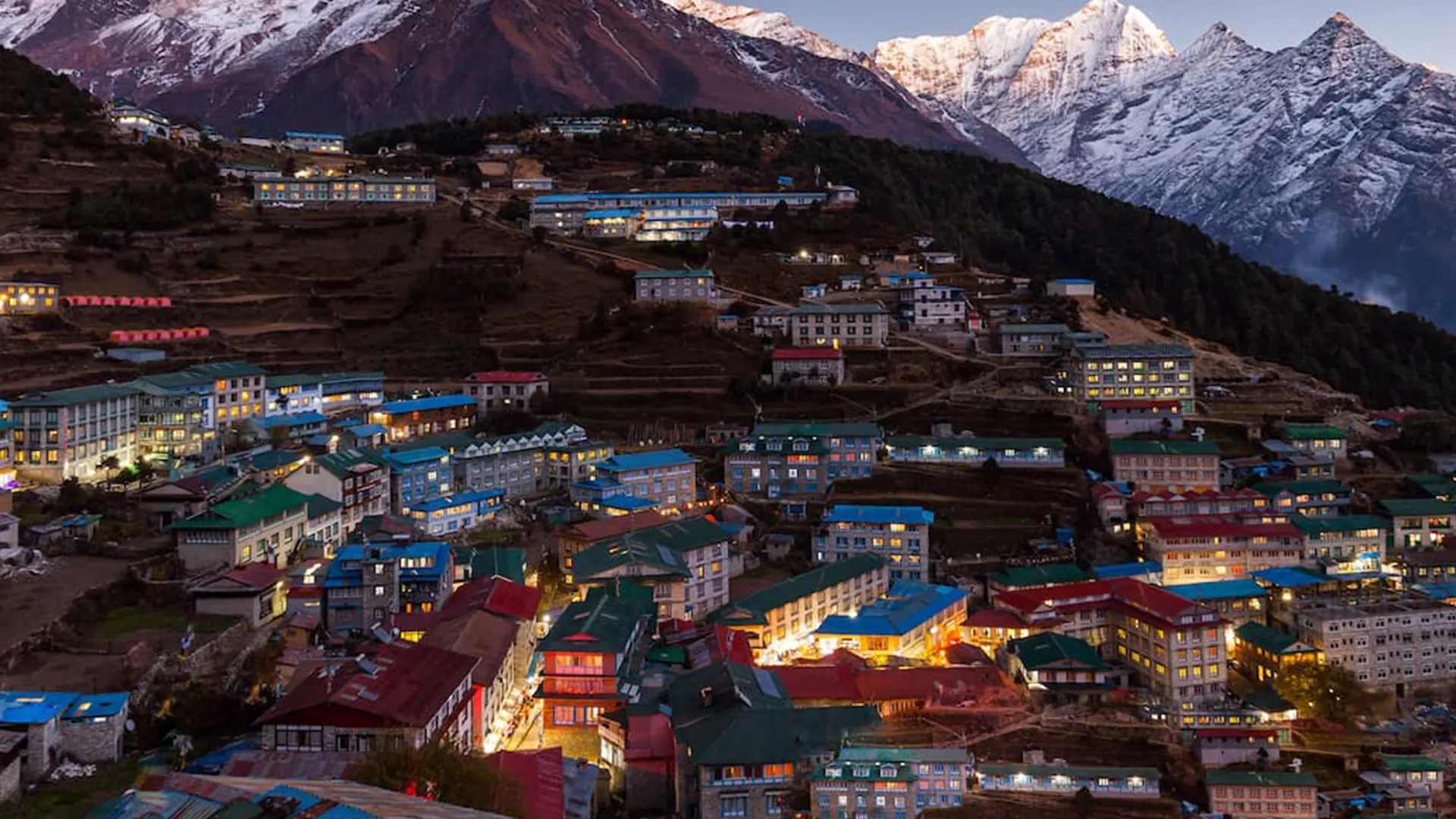
Nepal stripped life back to its essentials in a way I wasn’t prepared for. Not dramatically. Not forcefully. Quietly. Through daily observation, shared meals, physical work, and long stretches of reflection, the Nepalese people showed me a version of strength and simplicity that runs counter to much of the modern world.
Strength Without Performance
Strength in Nepal isn’t something that’s announced. It isn’t performed or displayed. It exists in consistency — in people showing up every day regardless of weather, resources, or recognition.
I saw strength in women carrying loads heavier than themselves without complaint. In elders continuing to contribute despite physical limitations. In children accepting responsibility as part of life, not a burden.
This strength wasn’t celebrated. It was normal.
Simplicity Without Deprivation
Life was simple, but it wasn’t lacking. Homes were modest. Possessions were few. Yet there was no constant sense of wanting.
People didn’t accumulate for the sake of accumulation. Items were owned because they were useful, not because they signalled status.
Simplicity here wasn’t minimalism — it was practicality.
Time Used Differently
Time moved differently in Nepal. Not slower, but more deliberately. There was no obsession with optimisation or productivity.
Conversations weren’t rushed. Meals weren’t eaten distractedly. Work was done steadily, with attention.
Without constant digital interruption, presence returned naturally.
Community as the True Measure of Wealth
Wealth wasn’t measured financially. It was measured relationally.
Who would help if something went wrong? Who would share food? Who would rebuild alongside you?
No one was entirely self-sufficient — and that wasn’t seen as weakness.
Success Redefined
Success here meant stability. A roof that survived winter. Children attending school. Enough food to share.
Ambition existed, but it was grounded. People hoped for improvement without resenting what they had.
The Absence of Noise
What struck me most was the absence of constant mental noise. There was no endless comparison. No manufactured urgency.
Life wasn’t easier — but it was clearer.
What I Took With Me
When I left Nepal, I felt lighter. Not because I owned less, but because I needed less.
The Nepalese people didn’t teach these lessons intentionally. They lived them.
And that quiet example was far more powerful than any speech or philosophy.
